L
@lykkepykkIm somebody
L's Podcasts
5 podcasts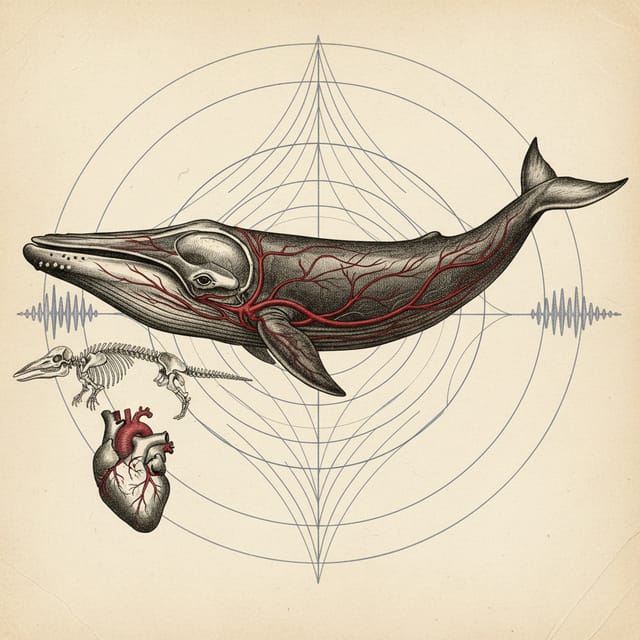
How whales evolved
The 50-million-year-old fossil of Pakicetus proves that the closest living terrestrial relatives of whales are hippopotamuses rather than fish. Marcus and Sofia discuss the history of cetology, from Aristotle’s early observations of whale bristles to Herman Melville’s 1851 classification of whales as spouting fish in Moby-Dick. Understanding cetacean biology reveals how these marine mammals function as massive carbon sinks, with a single blue whale sequestering 33 tons of CO2 over its lifetime. The presence of spindle neurons in whale brains suggests their social structures are built on complex emotional intelligence and empathy rather than simple instinct.
Aristotle and whale biology
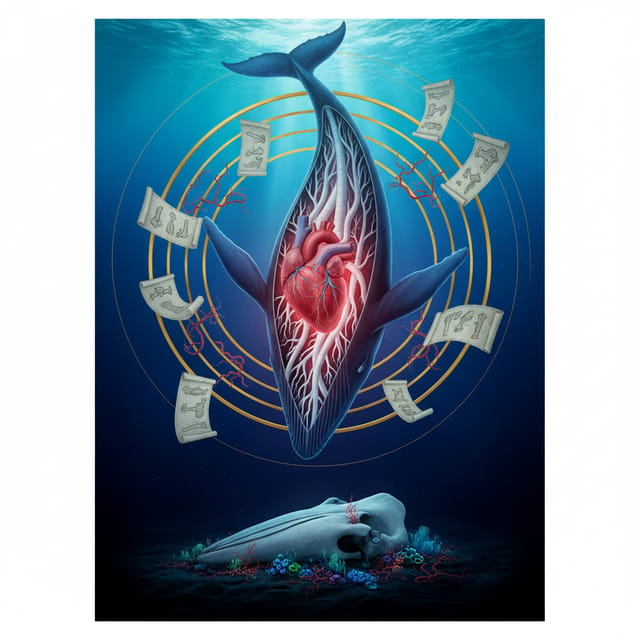
Aristotle correctly identified cetaceans as mammals in the 4th Century BCE after observing their lungs and nursing habits, yet his findings were largely ignored for 2,000 years. Marcus and Sofia examine the biological transition of whales from land to sea and the unique paralimbic lobe that allows these animals to process social information faster than humans. The discussion covers the 230-decibel echolocation clicks of sperm whales and the 50-year ecosystems created by whale falls on the ocean floor. Understanding these marine mammals reveals their role in carbon sequestration, with one whale capturing as much CO2 as 1,000 trees.
Herman Melville and sharks
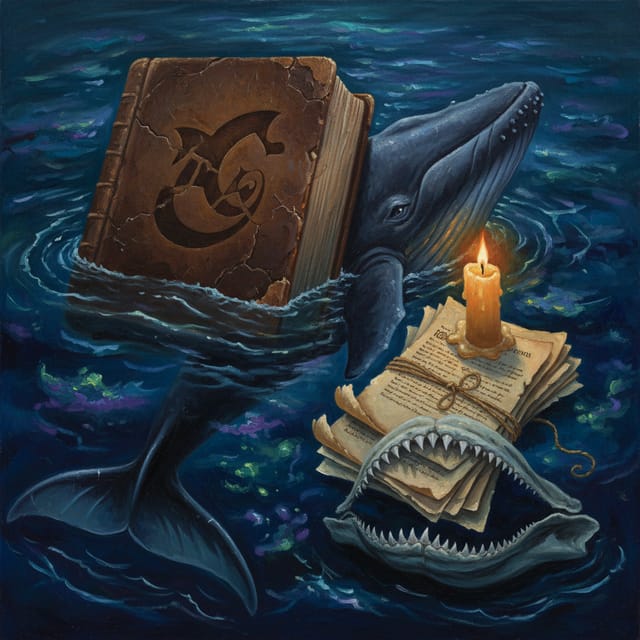
Carl Linnaeus reclassified whales as mammals in the 1758 edition of Systema Naturae, yet Herman Melville rejected this scientific shift in Moby Dick to define the whale as a spouting fish. The discussion covers Frans G. Bengtsson’s analysis of the shark as a biological error driven by a primitive nervous system that ignores fatal injury. It details the 1799 Nancy papers incident where a shark's stomach provided evidence for a Jamaican court case and contrasts the economic value of spermaceti against shark liver oil. The narrative follows the rediscovery of Melville’s work in the 1920s after it had sold fewer than 3,000 copies during the author's lifetime.
Velociraptorernas fjädrar: En sövande resa till pizzans ur...
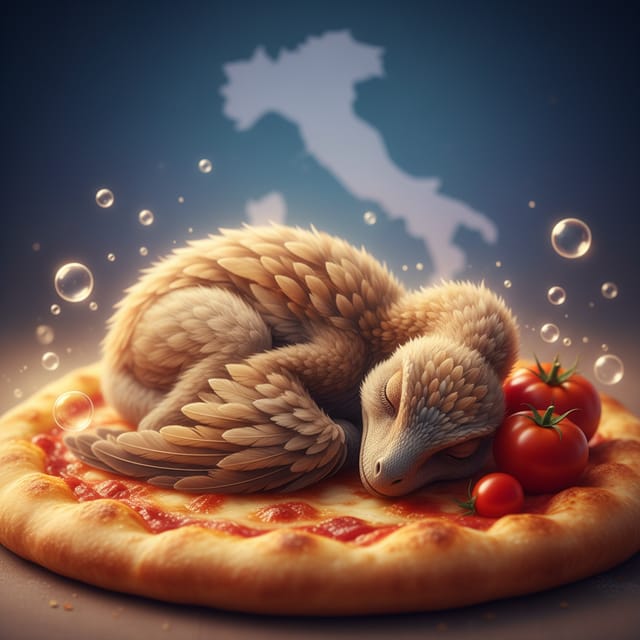
Glöm den skräckinjagande bilden av velociraptorn; i detta sövande PodThis-avsnitt avslöjar Erik och Astrid att dessa forntida rovdjur var fjäderklädda och små som kalkoner. Vi utforskar den perfekta pizzadegens hemligheter, Margheritapizzans kungliga ursprung, varför italienska San Marzano-tomater är världens godaste, jästens magiska process och den geologiska förklaringen bakom Italiens stövelform. Låt dessa fascinerande fakta vagga dig till ro med en rofylld stämning, perfekt för att lugna sinnet och drömma dig bort innan läggdags, och upptäck oväntade samband mellan vetenskap och historia. Har du någonsin undrat hur jäst egentligen förvandlar en deg, eller varför I...
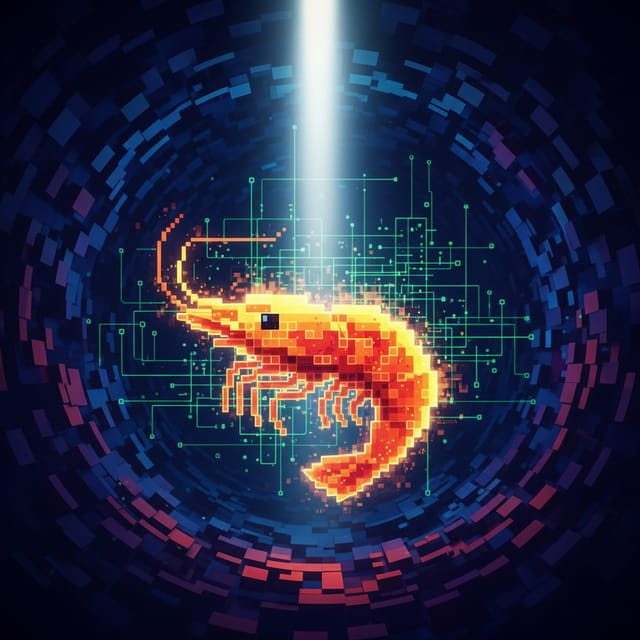
Shrimpo: Från kodskämt till digital legend
Ett enkelt internskämt, gömt djupt i koden till spelet 'Dandys Värld', förvandlades av misstag till ett av de mest eftertraktade samlarobjekten i hela Roblox-universumet. Erik och Astrid granskar Shrimpos gåtfulla ursprung, dess extrema sällsynthet som endast av en slump nådde spelare, och hur en känd streamer katalyserade dess värde till astronomiska nivåer. Denna fascinerande berättelse avslöjar hur icke-funktionella digitala föremål kan skapa livlig subkultur och belyser mekanismerna bakom värde i den digitala tidsåldern. Vad säger Shrimpos resa om den mänskliga jakten på det unika och definitionen av en 'skatt' i vår alltmer digitaliserade värld?